
Iranian Saffron: The Red Gold with an Unforgettable Aroma and Flavor
Iranian saffron is one of the world’s most treasured spices, renowned for its distinctive aroma, rich color, delicate flavor, and versatility in international cuisine. Often called “Red Gold,” saffron is a premium agricultural product valued by chefs, food manufacturers, spice distributors, and international buyers. With its long cultivation history and established reputation, Iranian saffron offers exciting opportunities for businesses seeking high-quality saffron for global markets.

At Khan Leyli, we focus on introducing Iranian saffron to international markets and building professional relationships with buyers, wholesalers, importers, and business partners worldwide.
What Makes Iranian Saffron Special?
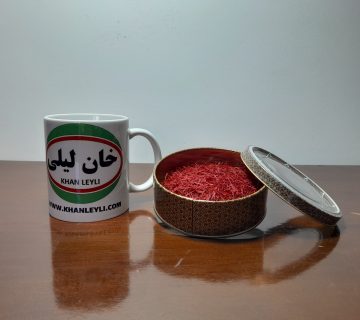
Saffron is obtained from the dried red stigmas of the Crocus sativus flower. Each flower produces only a small quantity of saffron, and the delicate harvesting process requires careful handling. The flowers are generally harvested by hand, and the stigmas must be separated and dried appropriately to preserve their natural characteristics.
Iran is internationally recognized as a major saffron-producing country. The country’s saffron-growing regions benefit from agricultural experience and climatic conditions that support saffron cultivation. Traditional knowledge, careful harvesting, and appropriate post-harvest handling all contribute to the quality of the final product.
Iranian saffron is valued for several important characteristics:
Distinctive aroma: A recognizable fragrance that enhances both traditional and contemporary dishes.
Natural golden-yellow color: Saffron releases a beautiful golden hue when properly infused.
Unique flavor: A complex taste that adds depth and character to food and beverages.
Versatile applications: Suitable for rice dishes, desserts, confectionery, beverages, and various food products.
Different product grades: Available in different forms and quality specifications to meet diverse commercial requirements.
These characteristics make Iranian saffron an attractive ingredient for businesses serving premium food markets.
How to Identify High-Quality Iranian Saffron
Choosing high-quality saffron requires more than simply looking at the color of its threads. Buyers should consider purity, aroma, moisture content, cleanliness, processing methods, and laboratory test results.

considerations include:
Product origin and traceability.
Consistent quality between batches.
Purity and appropriate moisture levels.
Laboratory analysis and relevant documentation.
Secure packaging that helps preserve aroma and quality.
Compliance with the destination country’s food safety and import requirements.
Reliable documentation and transparent product specifications help build trust between exporters and international customers.
Iranian Saffron in International Cuisine
One of the main reasons saffron remains in demand worldwide is its versatility. A small amount can transform the appearance, aroma, and flavor of a dish.
In Persian cuisine, saffron is commonly used in fragrant rice, traditional stews, desserts, and special-occasion dishes. International chefs also use saffron in seafood recipes, sauces, pasta, baked goods, confectionery, and premium beverages.
Saffron can be infused in a small quantity of warm water before being added to a recipe. This method helps distribute its color and aroma throughout the dish.
Beyond restaurants and home kitchens, saffron is also used by food manufacturers, specialty retailers, gourmet product companies, and businesses developing premium culinary products.
This broad range of applications creates opportunities for suppliers that can meet buyers’ quality, packaging, and documentation requirements.
Iranian Saffron Export: Opportunities in the Global Market
The international saffron trade connects agricultural producers, processors, exporters, importers, wholesalers, distributors, and retailers. For businesses interested in premium spices, Iranian saffron represents an opportunity to develop specialized product offerings and establish long-term commercial relationships.
However, successful saffron export requires more than access to a quality product. Exporters must understand the needs of their target markets and prepare their products and documentation accordingly.
Key considerations in saffron export include:
1. Product selection and quality control
Buyers need clear information about the saffron grade, product form, origin, and applicable quality specifications. Consistency between shipments is particularly important for wholesalers and food manufacturers.
2. Professional packaging
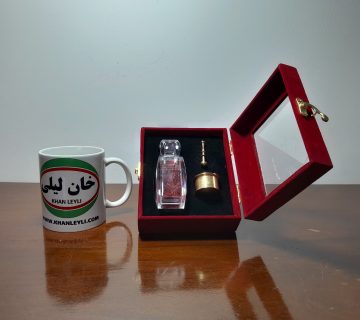
Packaging should protect saffron from excessive moisture, light, air exposure, and contamination. Depending on the target market, products may be supplied in bulk packaging or retail-ready formats.
3. Export documentation
Commercial invoices, packing lists, certificates of origin, laboratory reports, and other documents may be required depending on the transaction and destination country. Importers should verify the exact requirements before placing an order.
4. Reliable communication
Clear quotations, agreed specifications, transparent lead times, and consistent communication help reduce misunderstandings and support successful international transactions.
5. Understanding target markets
Different countries may have different labeling rules, food safety requirements, packaging preferences, and import procedures. Exporters and importers should confirm these requirements before shipping.
By addressing these factors, businesses can build a stronger foundation for sustainable international saffron trade.

Khan Leyli: Your Partner for Iranian Saffron Trade
Khan Leyli is a brand focused on introducing Iranian saffron and exploring opportunities in international markets. Our objective is to establish professional connections with buyers and businesses interested in saffron and international trade.
We recognize the importance of product information, transparent communication, professional business relationships, and understanding customer requirements in international commerce.
Whether you are a saffron importer, spice wholesaler, food distributor, retailer, or company exploring new sourcing opportunities, establishing direct communication with a prospective business partner is an important first step.
Khan Leyli welcomes inquiries from businesses interested in discussing Iranian saffron, product specifications, packaging options, and potential commercial cooperation.
For international buyers, every successful partnership begins with clear expectations, reliable information, and a shared commitment to professional cooperation.
Why Explore Iranian Saffron with Khan Leyli?
When evaluating a potential saffron supplier, buyers should look for clear product information, suitable quality documentation, appropriate packaging options, and responsive communication.
At Khan Leyli, we aim to support professional business connections and make it easier for interested companies to explore opportunities related to Iranian saffron.
For specific orders, product availability, certifications, minimum order quantities, and shipping arrangements, buyers should request confirmation directly before finalizing a commercial agreement.
Our goal is to help create opportunities for lasting business relationships and connect Iranian saffron with customers across international markets.
Contact Khan Leyli for International Saffron Business
Are you looking for Iranian saffron for your import business, wholesale distribution, retail operation, or food manufacturing company?
Discover Khan Leyli and explore opportunities for international cooperation.
Visit our official website: https://KhanLeyli.com
Connect with Khan Leyli to discuss Iranian saffron and potential business opportunities in global markets.
Khan Leyli — Connecting Iranian Saffron with the World

No comment