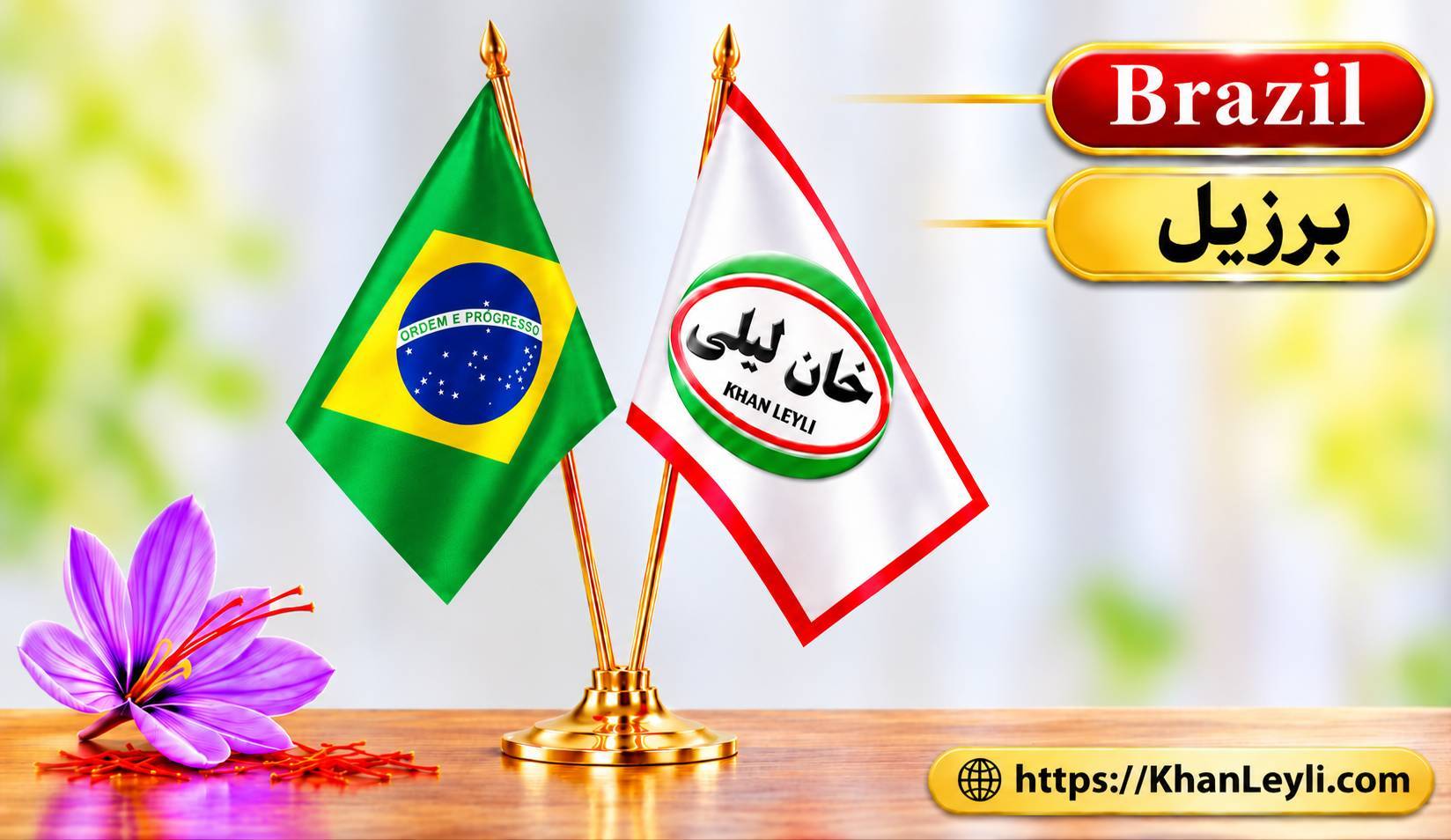
Khan Leyli Saffron in Brazil
Brazil represents a promising market for premium saffron in Latin America. Its large consumer market, internationally recognized culinary industry, diverse food culture, and extensive network of restaurants and food retailers create opportunities for introducing high-quality saffron. Khan Leyli aims to develop business relationships in Brazil by connecting authentic saffron with importers, distributors, chefs, food manufacturers, and specialty retailers.
Saffron and Brazilian Food Culture
Brazilian cuisine is shaped by Indigenous, Portuguese, African, and immigrant influences. Its regional diversity creates a wide range of culinary traditions, from seafood dishes along the coast to hearty meat preparations in the south and distinctive regional recipes in the northeast.
Well-known Brazilian dishes such as Moqueca, a seafood stew prepared with regional ingredients, and Arroz de Marisco-inspired preparations demonstrate the country’s appreciation for aromatic and flavorful food. Rice, seafood, sauces, and creative desserts are important parts of many Brazilian menus.
Saffron can add a premium culinary dimension to selected seafood dishes, rice recipes, sauces, gourmet preparations, and desserts. Its golden color and distinctive aroma may also attract chefs interested in contemporary Brazilian cuisine and international fusion cooking.
Potential Customers and Market Opportunities
Brazil offers several potential customer groups for Khan Leyli saffron:
-
Importers and wholesale spice distributors.
-
Premium supermarkets and specialty food retailers.
-
Hotels, resorts, restaurants, and catering companies.
-
Food manufacturers and gourmet ingredient suppliers.
-
Bakeries, confectionery producers, and dessert specialists.
-
Chefs and businesses focused on international cuisine.
São Paulo is an important starting point because of its extensive restaurant industry, international food businesses, and commercial networks. Rio de Janeiro offers opportunities through tourism, hospitality, and premium dining. Curitiba, Brasília, and Belo Horizonte may also provide opportunities for regional distribution and professional food partnerships.
Quality and International Trade Cooperation
Building a sustainable saffron business in Brazil requires authentic products, consistent quality, suitable packaging, reliable logistics, and professional communication. Understanding local consumer preferences and offering appropriate package sizes can also support market development.
Potential importers should verify current Brazilian requirements for food imports, product registration or applicable authorization, labeling, documentation, and customs procedures before arranging shipments.
An Invitation from Khan Leyli
Khan Leyli welcomes cooperation with Brazilian importers, traders, wholesalers, distributors, food producers, hotel managers, restaurant owners, chefs, and independent sales representatives.
Our ambition is not limited to individual sales. We seek to create shared business opportunities through premium saffron, reliable partnerships, customer satisfaction, repeat purchases, and lasting loyalty. We believe that strong commercial relationships can create sustainable value for customers and business partners alike.
Khan Leyli – Together for Global Saffron Opportunities.

No comment