

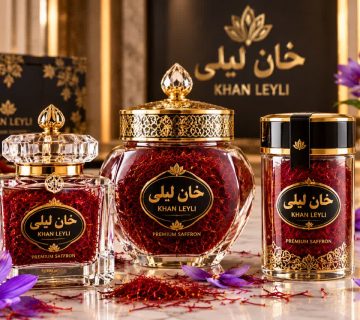
Khan Leyli Saffron: A World of Golden Opportunities for International Trade
Discover the Extraordinary Potential of Premium Iranian Saffron
In a world where quality, authenticity, and distinction increasingly shape consumer choices, saffron stands among the most remarkable products in international food trade. Known as the world’s most precious spice by weight, saffron brings together centuries of tradition, exceptional culinary versatility, and the appeal of a premium natural product.
Khan Leyli Saffron invites importers, distributors, wholesalers, retailers, restaurant owners, specialty food businesses, and ambitious entrepreneurs to explore the international potential of authentic Iranian saffron.
Our vision is to connect the exceptional heritage of Iranian saffron with the commercial opportunities of global markets. From elegant European kitchens to Asia’s sophisticated food industries and the diverse consumer markets of North America, Khan Leyli represents an opportunity to build a distinctive business around one of the world’s most treasured spices.
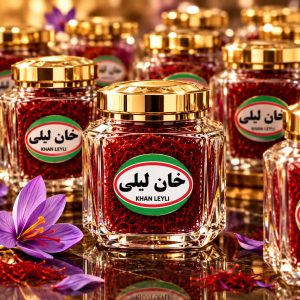
Why Saffron Offers an Exceptional Business Opportunity
Saffron is different from ordinary spices. Its intense aroma, rich golden colour, distinctive flavour, and labour-intensive harvesting process contribute to its premium position in the marketplace.
Unlike many everyday seasonings, saffron is typically used in small quantities, making compact packaging and carefully designed premium products practical options for international distribution.
For entrepreneurs, this creates several potential business models: importing bulk saffron, supplying restaurants and food manufacturers, developing private-label products, selling premium retail packages, and building an online saffron brand.
The commercial opportunity is supported by established international trade. World Bank WITS data records substantial saffron imports across the European Union, India, the United States, China, and other markets. These figures demonstrate an existing international market, although individual business results depend on sourcing costs, quality, pricing, regulations, and effective distribution.
The opportunity is not simply to sell a spice. It is to create a trusted product identity, develop lasting customer relationships, and establish a profitable business through careful market positioning.

France: Bring Golden Excellence to the Home of Gastronomy
France is internationally recognised for its culinary traditions, premium food boutiques, sophisticated restaurants, and appreciation of carefully selected ingredients.
For French importers and entrepreneurs, Khan Leyli Saffron offers a potential addition to specialty food collections, gourmet shops, restaurant supply businesses, and premium online stores.
Saffron can complement seafood dishes, rice preparations, sauces, soups, and regional culinary creations. Its distinctive colour and aroma make it particularly attractive to chefs seeking depth and elegance in their recipes.
Entrepreneurs could introduce French-language packaging, gift collections, chef-oriented formats, and carefully curated products for discerning consumers.
Paris, Lyon, Marseille, and other major culinary centres offer different potential customer groups. The key is to identify the right audience, communicate authentic product information, and differentiate through quality, presentation, and reliable supply.
For France, Khan Leyli can become more than a spice on a shelf: it can become part of a premium culinary experience.

The Netherlands: Turn International Trade Expertise into Opportunity
The Netherlands has a strong international trading tradition, sophisticated logistics infrastructure, and an important role in European distribution.
For Dutch entrepreneurs, saffron offers a product that can be explored through importing, wholesale distribution, specialty food retail, and cross-border e-commerce.
Rotterdam’s international logistics environment and the country’s connections with European markets make the Netherlands an interesting base from which qualified importers can evaluate regional distribution opportunities.
A Dutch business could begin by supplying independent retailers and restaurants, then investigate expansion into Belgium, Germany, France, and other European destinations.
Success requires more than buying at a low price. Importers must understand food safety requirements, traceability, customs procedures, appropriate labelling, and the specific rules applicable to their supply chain.
With a reliable supplier and a clearly defined commercial strategy, Khan Leyli Saffron could help Dutch businesses explore a premium product category with international reach.
China: A Market for Premium Food Experiences
China offers a diverse consumer landscape, extensive e-commerce activity, established food distribution networks, and a long history of appreciating selected culinary ingredients.
Khan Leyli Saffron could be positioned for specialty food importers, premium retailers, hospitality businesses, and consumers interested in distinctive international ingredients.
Potential applications include premium rice dishes, contemporary culinary experiences, specialty beverages where legally permitted, and carefully presented gift products.
Entrepreneurs may explore partnerships with local distributors, established online retail channels, and hospitality suppliers. However, market entry should be based on research into regional preferences, competition, import eligibility, product registration where applicable, and local labelling requirements.
A thoughtful Chinese-language brand presentation and verifiable product quality can help establish credibility.
The most promising approach is not to assume every consumer has the same preferences, but to identify a specific customer segment and develop an offering that meets its expectations.
India: Connect Saffron with a Rich Culinary Heritage
India has an extraordinary culinary tradition in which saffron appears in celebrated rice dishes, sweets, milk-based preparations, festive foods, and regional specialties.
Its established familiarity with saffron creates opportunities for businesses that can distinguish their products through documented quality, consistent supply, attractive packaging, and a clear market position.
Khan Leyli Saffron could be evaluated by specialty spice distributors, gourmet retailers, premium sweet manufacturers, hospitality suppliers, and businesses serving customers interested in authentic international ingredients.
Because India also has domestic saffron production and established competition, importers should not rely on demand alone. They need a clear understanding of customer preferences, local pricing, applicable import rules, and competing products.
Potential strategies include targeting specialist retailers, supplying selected food-service businesses, or developing premium packages for particular occasions.
The opportunity lies in earning customer confidence through transparency and differentiation rather than competing exclusively on price.

Japan: Precision, Presentation, and Premium Quality
Japan’s appreciation of presentation, craftsmanship, consistency, and carefully selected ingredients creates an interesting setting for a premium saffron brand.
Khan Leyli could be introduced to specialist food importers, fine-dining establishments, luxury food boutiques, and businesses supplying chefs who value distinctive ingredients.
Small, well-protected packages may be appropriate for customers seeking freshness, convenient storage, and elegant presentation. Japanese-language labelling and accurate descriptions of origin and product characteristics would be important considerations.
Restaurants may explore saffron in seafood, rice dishes, sauces, and creative fusion cuisine. Specialty retailers could focus on culinary discovery, gift presentation, and educational content about how to use saffron effectively.
Japanese buyers often expect dependable service and consistent product specifications. Establishing trust therefore requires documented quality, responsive communication, and careful attention to packaging and delivery.
For entrepreneurs prepared to meet these expectations, Khan Leyli offers a route to explore a market where product detail and presentation can support a premium position.
Germany: Build a Business on Quality and Reliability
Germany provides access to a large consumer market, established food retail networks, specialist importers, and a substantial hospitality sector.
German entrepreneurs could consider Khan Leyli Saffron for delicatessens, gourmet stores, online specialty shops, restaurant suppliers, and carefully selected wholesale customers.
Frankfurt, Berlin, Hamburg, Munich, and other commercial centres offer potential customer groups with different needs and purchasing habits.
A practical strategy could begin with a focused selection of package sizes and a clear product specification. Businesses could then assess repeat orders, customer feedback, distribution costs, and demand before expanding their range.
German customers and commercial buyers may value traceability, transparent labelling, reliable delivery, and credible quality documentation. Importers should ensure that products meet applicable European Union and German requirements before sale.
Rather than relying on exaggerated promises, a strong business can differentiate itself through consistency, professionalism, and a product customers are confident purchasing again.

United States: Develop a Distinctive Premium Brand
The United States offers opportunities across gourmet retail, specialty online commerce, restaurants, food-service distribution, and premium culinary gifting.
Its diverse food culture brings together traditional recipes, international cuisines, contemporary dining, and growing interest in exploring distinctive ingredients.
Khan Leyli Saffron could be marketed through specialist spice stores, independent gourmet retailers, restaurant suppliers, and carefully targeted digital campaigns.
Entrepreneurs may test demand through smaller initial orders, evaluate customer acquisition costs, and identify the channels that generate repeat purchases. Premium packaging, informative product descriptions, and transparent sourcing information can help distinguish the brand.
Before importing, businesses must verify the applicable US food import requirements, supplier documentation, labelling obligations, and any other relevant regulatory conditions.
The opportunity is to build a sustainable customer base around authenticity, service, and quality—not to assume that premium pricing automatically guarantees high returns.
Italy: A Natural Connection with Culinary Excellence
Italy’s celebrated rice dishes, seafood preparations, regional cooking traditions, and sophisticated restaurant culture create potential applications for premium saffron.
Khan Leyli could be introduced to specialist ingredient distributors, gourmet shops, chefs, and food businesses looking to diversify their saffron offerings.
Milan, Rome, Turin, and other culinary and commercial centres offer potential routes to market.
Businesses should focus on product differentiation, transparent origin information, competitive landed costs, and relationships with customers who appreciate the characteristics of high-quality saffron.
Italy also has established saffron suppliers and strong competition, making a well-defined market position essential.
Spain: Explore a Market with Strong Saffron Awareness
Spain has a prominent place in the international saffron trade and a well-established culinary connection with the spice, including its use in rice dishes.
This makes Spain a relevant market for entrepreneurs seeking experienced distributors, specialty retailers, and food-service customers.
Khan Leyli could compete through a clearly documented product offering, attractive packaging, dependable supply, and transparent commercial terms.
Because the market already includes established suppliers and brands, success will depend on understanding the competition and offering a convincing reason for buyers to choose a new supplier.

United Kingdom, Belgium, Sweden, and Switzerland: Expand Across Diverse European Markets
Beyond the major markets, several other European countries merit consideration.
In the United Kingdom, specialty food retail, restaurants, online stores, and independent importers may provide routes to market for premium saffron.
Belgium offers access to multilingual consumers, hospitality businesses, and an internationally connected trading environment.
Sweden presents potential opportunities among specialty retailers, restaurants, and consumers seeking distinctive ingredients for home cooking.
Switzerland may be relevant for businesses focused on premium food products, specialist retail, and carefully selected culinary offerings.
Each market requires its own assessment of competition, customer expectations, import conditions, distribution costs, and realistic selling prices. A successful expansion strategy should prioritise a small number of suitable markets before pursuing broader international coverage.
How Can Khan Leyli Saffron Create Commercial Value?
The value of a saffron business depends on the quality of its sourcing and the effectiveness of its commercial execution.
Khan Leyli invites potential business partners to consider several practical approaches:
1. Import and wholesale distribution: Supply qualified retailers, restaurants, specialty food businesses, and regional distributors.
2. Premium retail packaging: Develop attractive packages suited to individual consumers, gourmet stores, and gift markets.
3. E-commerce: Explore online sales through suitable marketplaces and independent websites, supported by accurate product information and a strong customer experience.
4. Food-service supply: Serve chefs, hotels, catering businesses, and food manufacturers that require consistent specifications and dependable deliveries.
5. Private-label partnerships: Where available and commercially agreed, explore products developed for a partner’s own brand.
6. Regional distribution partnerships: Build relationships with established importers who understand local customers and regulatory requirements.
Profitability must be calculated carefully. The relevant factors include purchase price, freight, insurance, customs duties, taxes, testing, packaging, warehousing, marketing, platform fees, distribution commissions, and returns.
A product that sells at a premium is not automatically a profitable product. However, a business with disciplined cost management, appropriate pricing, dependable quality, and repeat customers can create attractive opportunities.
Why Explore a Partnership with Khan Leyli?
Khan Leyli aims to connect the heritage of Iranian saffron with the expectations of modern international commerce.
For prospective buyers, important questions include product origin, saffron grade, laboratory testing, packaging options, minimum order quantities, supply capacity, export documentation, and delivery terms. These details should be verified and agreed upon before any purchase.
International partners should also confirm the legal eligibility of the proposed product and supply route in their destination country.
Our ambition is to support a business approach built on trust, product integrity, professional communication, and long-term commercial relationships.
Whether you are an established importer or an entrepreneur exploring a new product category, the first step is to identify your target market, understand your customers, and develop a realistic business plan.
Khan Leyli Saffron invites international buyers and distribution partners to explore the possibilities of premium Iranian saffron and discover where this remarkable spice could fit into their next business opportunity.
A Golden Invitation to Global Entrepreneurs
From the culinary sophistication of France to the trading networks of the Netherlands, from India’s rich food traditions to Japan’s appreciation of detail, and from Germany’s emphasis on reliability to America’s diverse specialty food market, saffron offers many ways to create value.
The strongest opportunities belong to businesses that combine an exceptional product with local market knowledge, responsible sourcing, regulatory compliance, and thoughtful brand development.
Khan Leyli Saffron: Connecting Iranian saffron heritage with the ambitions of international trade.
Saffron contains naturally occurring compounds, including crocin and safranal, and is traditionally valued for its colour, aroma, and flavour.
As part of a balanced diet, saffron can enrich culinary experiences; potential health benefits should not be treated as guaranteed medical effects.


No comment