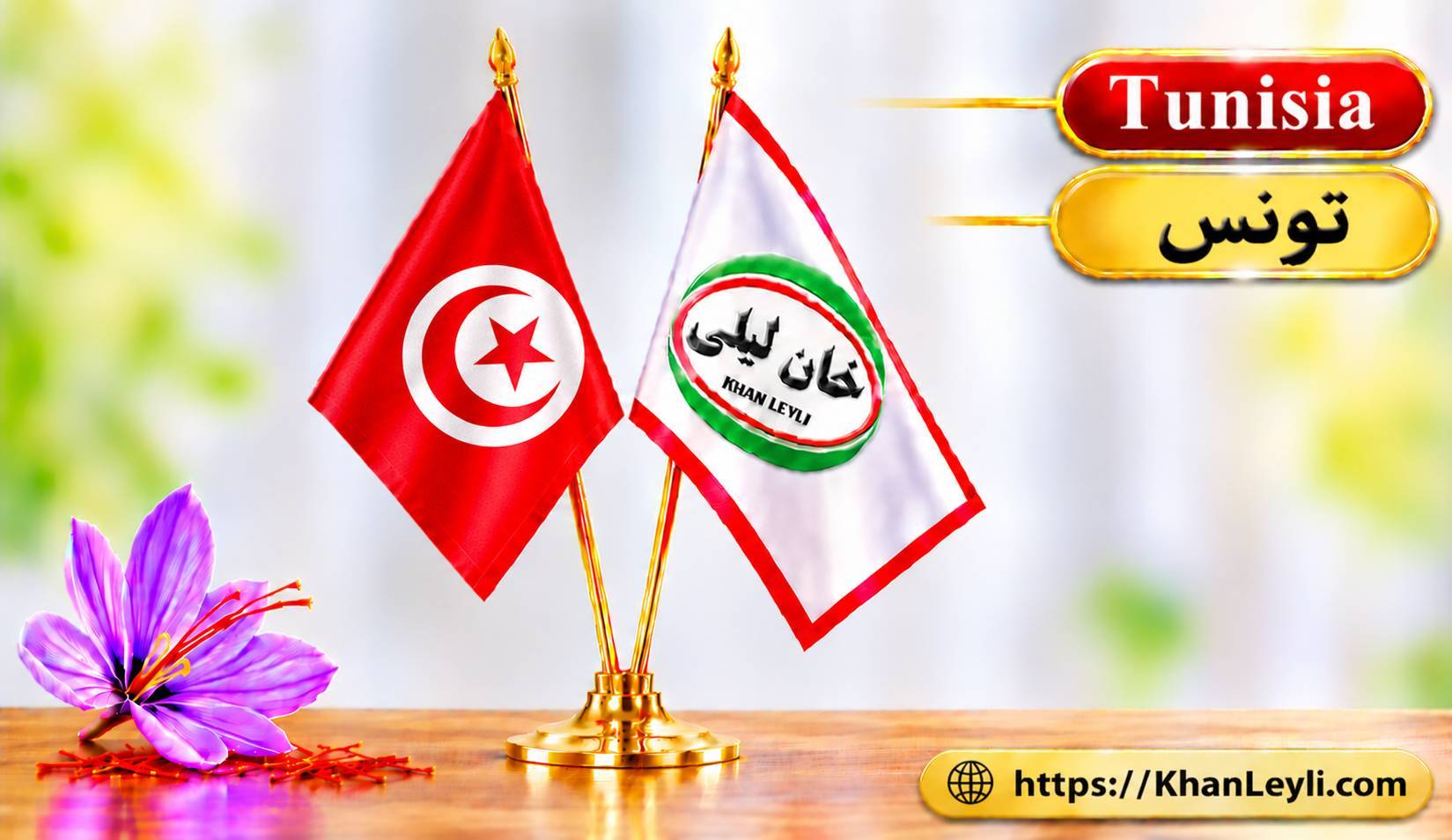
Khan Leyli Saffron in Tunisia
Exploring Premium Iranian Saffron Opportunities in Tunisia’s Culinary and Food Trade Sectors
Tunisia has a distinctive food culture shaped by North African, Mediterranean, and Arab influences. Its cuisine combines aromatic spices, olive oil, seafood, grains, meat, and traditional sweets. This creates interesting opportunities for premium saffron among food importers, spice retailers, restaurants, hotels, and food producers.
Saffron in Tunisian Cuisine
Tunisian cooking is known for its bold flavors and creative use of spices. Harissa, coriander, caraway, cumin, and other seasonings are widely used in traditional recipes. Saffron can complement this culinary tradition by adding a delicate aroma and golden color to selected rice dishes, seafood preparations, sauces, and festive meals.
Tunisian dishes such as couscous, particularly versions prepared with fish or meat, offer opportunities for chefs to experiment with saffron. The country’s Mediterranean coastline also supports a strong seafood culture, where carefully balanced saffron seasoning can enhance selected fish and seafood recipes.
Saffron may also be used in premium pastries, desserts, and specialty beverages. For food businesses, its appeal lies in both its culinary character and its association with high-quality ingredients.
Commercial Opportunities Across Tunisia
Tunis is a major starting point for reaching importers, wholesalers, supermarkets, restaurants, and specialty food retailers. Sfax, Sousse, Monastir, and other commercial and coastal cities provide additional opportunities through their food-service, tourism, and retail sectors.
Potential partners include:
-
Food and saffron importers
-
Spice wholesalers and distributors
-
Supermarkets and specialty grocery retailers
-
Hotels, restaurants, cafés, and catering companies
-
Seafood restaurants and professional kitchens
-
Food manufacturers, pastry businesses, and sales representatives
Businesses interested in importing saffron should verify current Tunisian customs procedures, food regulations, labeling requirements, and documentation before establishing supply agreements.
Creating Value Through Long-Term Relationships
Khan Leyli aims to create value beyond individual transactions. We focus on product quality, dependable supply, customer satisfaction, and cooperation that encourages repeat purchases. We believe that trust grows when customers receive consistent quality and feel confident returning to the same supplier.
An Invitation to Tunisia’s Business Community
Khan Leyli welcomes Tunisian importers, traders, wholesalers, distributors, retailers, food producers, restaurant owners, and commercial representatives to explore saffron business opportunities. We are interested in building partnerships that support mutual growth and lasting cooperation in Tunisia’s food market.
Khan Leyli – Together for Global Saffron Opportunities.


No comment