
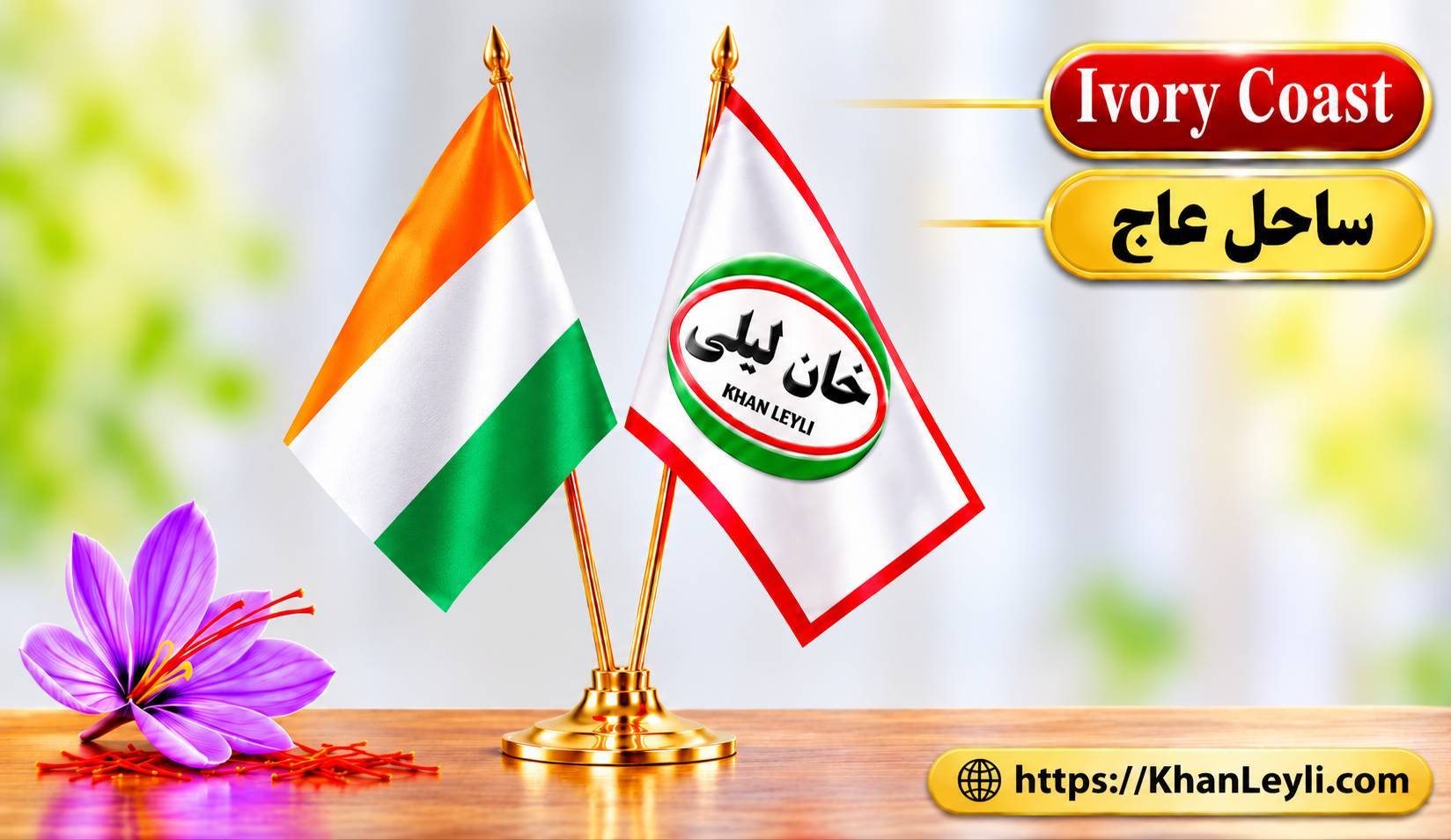
Khan Leyli Saffron in Côte d’Ivoire
Côte d’Ivoire is an important commercial market in West Africa, offering opportunities for the development of premium saffron trade. Its dynamic food industry, expanding urban population, international business connections, and established distribution networks make it an interesting destination for specialty imported ingredients. Khan Leyli aims to introduce high-quality saffron to Ivorian businesses and build partnerships based on product quality, customer satisfaction, and long-term commercial growth.
Saffron and Ivorian Food Culture
Ivorian cuisine reflects a rich combination of local agricultural products, regional traditions, and international influences. Popular dishes include Attiéké, a fermented cassava-based side dish, Kedjenou, a slowly cooked chicken dish, and Garba, traditionally prepared with attiéké and tuna. Grilled fish, spicy sauces, and rice-based meals are also widely enjoyed.
Although saffron is not a traditional everyday seasoning in Ivorian cuisine, it offers opportunities for chefs and food producers interested in premium international ingredients. Its distinctive aroma and natural golden color can enhance selected seafood dishes, specialty rice recipes, sauces, gourmet menus, and desserts.
Abidjan, the country’s principal economic center, is particularly promising for introducing saffron through upscale restaurants, hotels, supermarkets, and professional food suppliers.
Potential Customers and Market Opportunities
Potential customer groups for Khan Leyli saffron in Côte d’Ivoire include:
-
Spice importers and wholesale distributors.
-
International food suppliers and premium retailers.
-
Hotels, restaurants, and catering companies.
-
Food manufacturers and specialty ingredient businesses.
-
Bakeries, pastry chefs, and dessert producers.
-
Supermarkets and gourmet food stores.
Abidjan offers a strong commercial starting point because of its port, business activity, and concentration of hospitality services. Yamoussoukro may provide opportunities through hotels and institutional catering, while Bouaké and San Pedro could be considered for regional distribution and connections with local food businesses.
Building Sustainable Trade Relationships
A successful saffron business requires more than attracting initial buyers. Authenticity, consistent quality, suitable packaging, dependable supply, and clear communication help establish confidence and encourage repeat purchases.
Potential importers should verify Côte d’Ivoire’s current food-import requirements, product documentation, labeling standards, and customs procedures before arranging shipments.
An Invitation from Khan Leyli
Khan Leyli welcomes cooperation with Ivorian importers, traders, wholesalers, distributors, food manufacturers, hotel managers, restaurant owners, and independent sales representatives.
Our ambition is to create shared opportunities through premium saffron, reliable business partnerships, customer satisfaction, repeat orders, and lasting loyalty. We believe that sustainable growth comes from building relationships that deliver value to customers and commercial partners over many years.
Note: Ivory Coast and Côte d’Ivoire both refer to the same country, and both mean “Ivory Coast.”
Khan Leyli – Together for Global Saffron Opportunities.

No comment