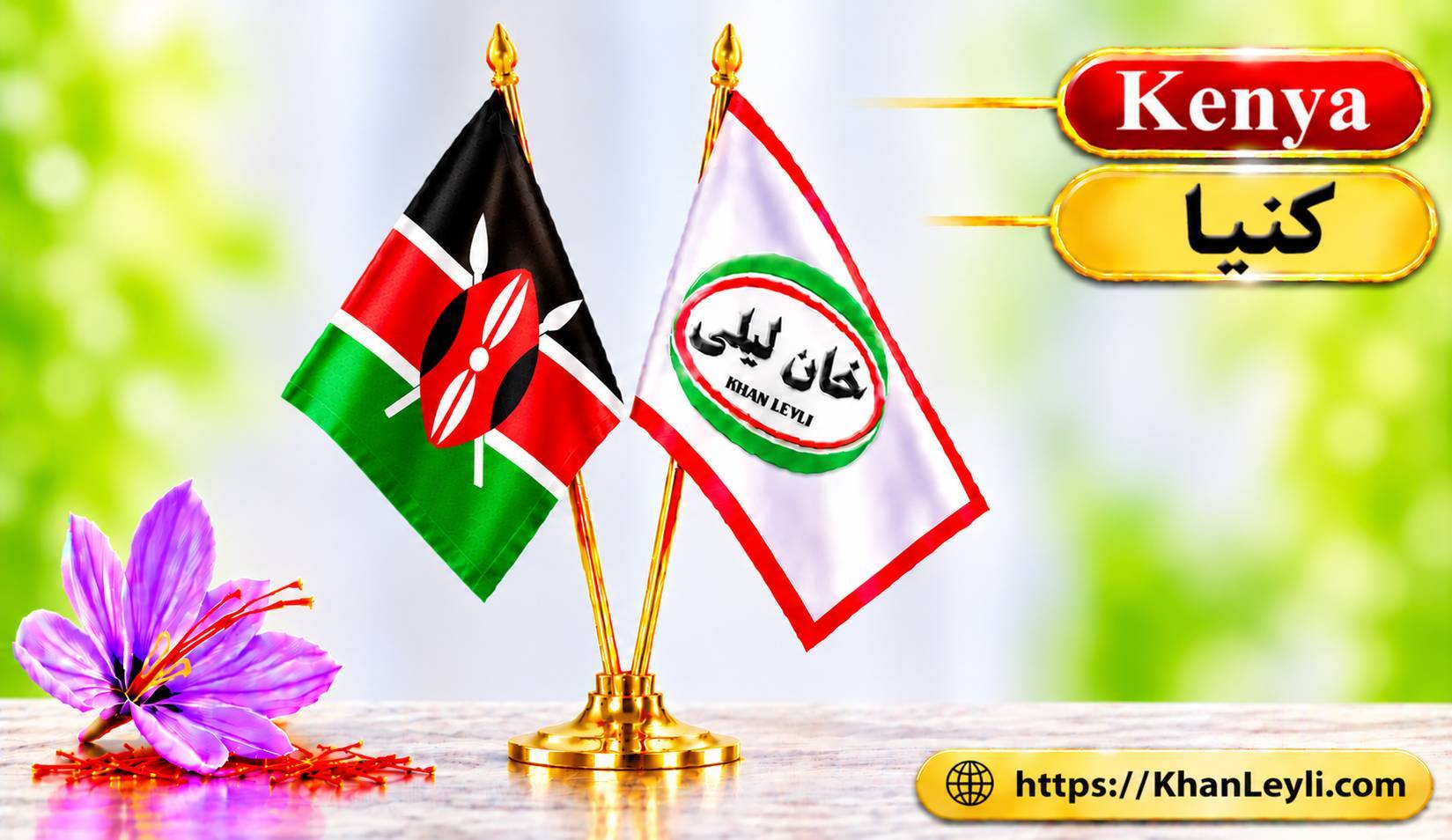
Khan Leyli Saffron in Kenya
Expanding Premium Iranian Saffron Opportunities in Kenya’s Food, Hospitality, and Regional Trade Markets
Kenya is one of East Africa’s important commercial and tourism destinations. Its diverse population, established hospitality industry, international business connections, and growing urban food markets create opportunities for premium imported ingredients. Iranian saffron, known for its distinctive aroma, rich color, and culinary versatility, can attract interest from Kenyan food importers, spice distributors, restaurants, hotels, and specialty retailers.
Saffron in Kenya’s Culinary Landscape
Kenyan cuisine reflects a combination of African, Arab, Indian, and coastal influences. Rice is particularly important in coastal food traditions, while dishes such as pilau and biryani are popular in different parts of the country.
In Swahili-influenced cooking, pilau is prepared with aromatic spices and commonly served with meat or chicken. Biryani also combines rice, spices, and carefully prepared ingredients. These dishes provide interesting opportunities for saffron as a premium ingredient that can contribute a delicate fragrance and golden color.
Kenya’s coastal cities, especially Mombasa, have strong connections with Swahili and Indian Ocean culinary traditions. Saffron may also be explored in seafood dishes, specialty sauces, desserts, pastries, and premium beverages. Hotels and international restaurants in Nairobi and other major cities may provide additional opportunities for introducing saffron-based menu items.
Commercial Opportunities Across Kenya
Nairobi is a major center for reaching food importers, international distributors, supermarkets, specialty grocery stores, hotels, and restaurant groups. Mombasa offers opportunities connected to coastal tourism, hospitality, and port-related trade. Kisumu, Nakuru, and other growing commercial centers also provide potential distribution channels.
Potential business partners include:
-
Saffron and food importers
-
Spice wholesalers and distributors
-
Supermarkets and premium grocery retailers
-
Hotels, restaurants, cafés, and catering companies
-
Food manufacturers and professional chefs
-
Bakeries, confectioneries, and sales representatives
Kenya’s position as a regional business center may also create opportunities for companies interested in supplying neighboring East African markets. Importers should verify current Kenyan customs procedures, food-safety standards, labeling requirements, and applicable import documentation before arranging shipments.
Long-Term Cooperation Through Quality and Trust
At Khan Leyli, we believe that lasting commercial success begins with customer confidence. Our objective is not simply to complete a sale but to establish relationships built on product quality, dependable supply, customer satisfaction, and repeat purchases.
We value partnerships in which both sides benefit and grow together. Consistent service and reliable cooperation can turn a first purchase into a long-term business relationship.
An Invitation to Kenya’s Business Community
Khan Leyli welcomes saffron importers, traders, wholesalers, distributors, retailers, food producers, hotel managers, restaurant owners, and sales representatives throughout Kenya to explore cooperation opportunities.
We look forward to introducing premium Iranian saffron to Kenyan customers and developing reliable partnerships with businesses interested in long-term growth.
Khan Leyli – Together for Global Saffron Opportunities.


No comment