
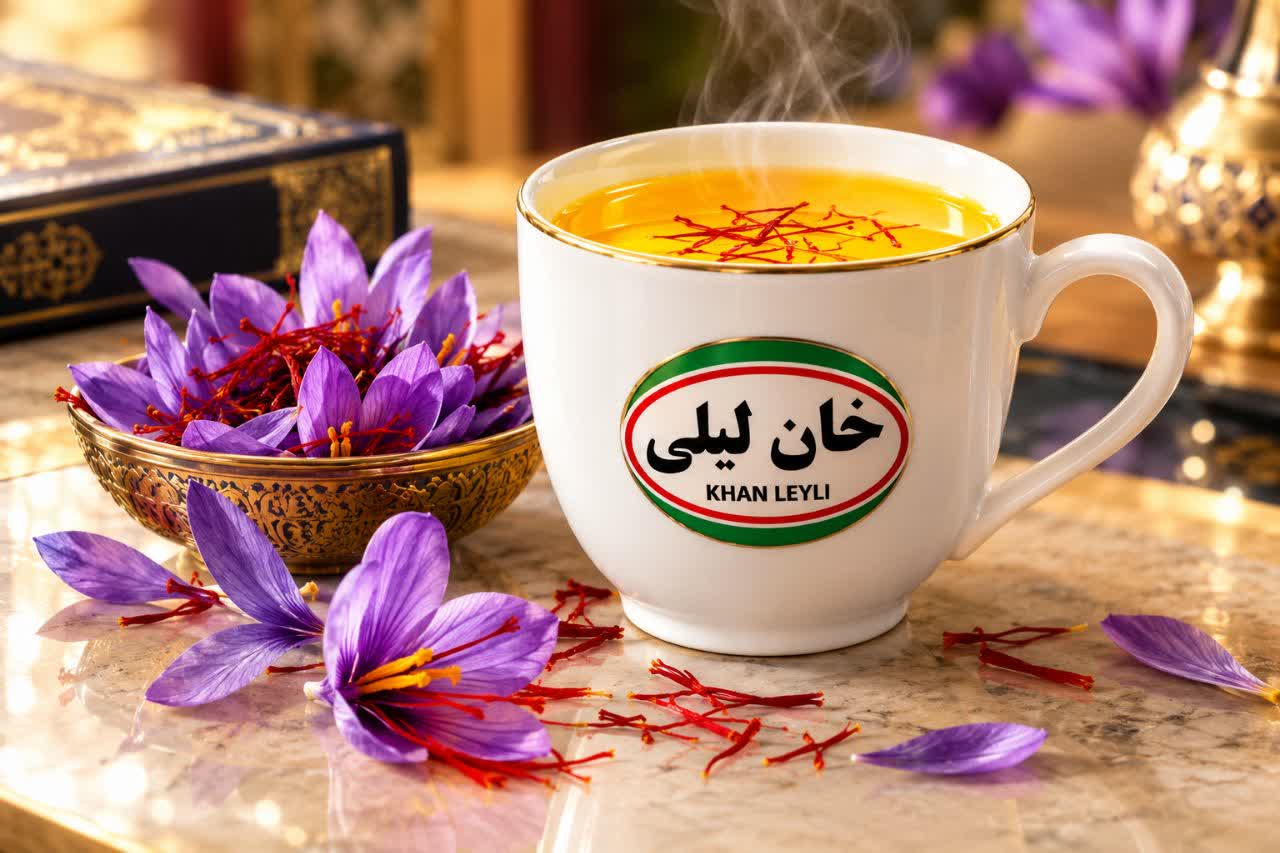
Saffron: The Golden Treasure of History and Its Origins
Saffron, scientifically known as Crocus sativus, is one of the world’s most precious spices. Famous for its beautiful crimson threads, distinctive aroma, rich golden color, and delicate flavor, saffron has been treasured by civilizations for thousands of years. Beyond its culinary value, it has played an important role in traditional medicine, natural dyeing, perfumes, and cultural ceremonies.
The Ancient Origins of Saffron
The exact birthplace of saffron remains a subject of scientific debate. Historical and genetic evidence suggests that its domestication may have originated in ancient Greece, while other theories connect its early history to Western Asia and the Middle East. Archaeological paintings discovered in ancient Crete, dating to approximately 1700–1600 BCE, depict people gathering crocus flowers, providing remarkable evidence of its early cultural importance.
Over the centuries, saffron spread across different regions through trade, migration, and cultural exchange. Ancient civilizations recognized its value and used it to color fabrics, prepare aromatic substances, and enhance traditional dishes.

When Did Saffron Cultivation Begin in Iran?
Iran has one of the oldest and most distinguished saffron traditions in the world. Historical accounts suggest that saffron cultivation in ancient Iranian territories dates back to approximately the tenth century BCE. During ancient Persian civilization, saffron was valued for its fragrance, color, and medicinal applications.
Today, Iran is internationally renowned for its saffron production. The provinces of South Khorasan and Razavi Khorasan, particularly the regions around Qaen and Torbat-e Heydarieh, are famous for producing high-quality saffron. The country’s climate and traditional farming knowledge have helped preserve this valuable agricultural heritage.
Saffron-Producing Countries Around the World
Although Iran is the leading saffron-producing country, saffron is also cultivated in Afghanistan, India, Spain, Greece, Morocco, Italy, Turkey, and China. Smaller-scale cultivation takes place in several other countries with suitable climates.
Conclusion
Saffron represents a remarkable connection between nature, history, and human culture. From ancient Mediterranean civilizations to the traditional farms of Iran, this extraordinary spice continues to symbolize quality, heritage, and elegance. Its enduring global reputation makes saffron not merely a seasoning, but a precious agricultural treasure shared by the world.




No comment